Description
Mechanisms & Synergy
BPC-157
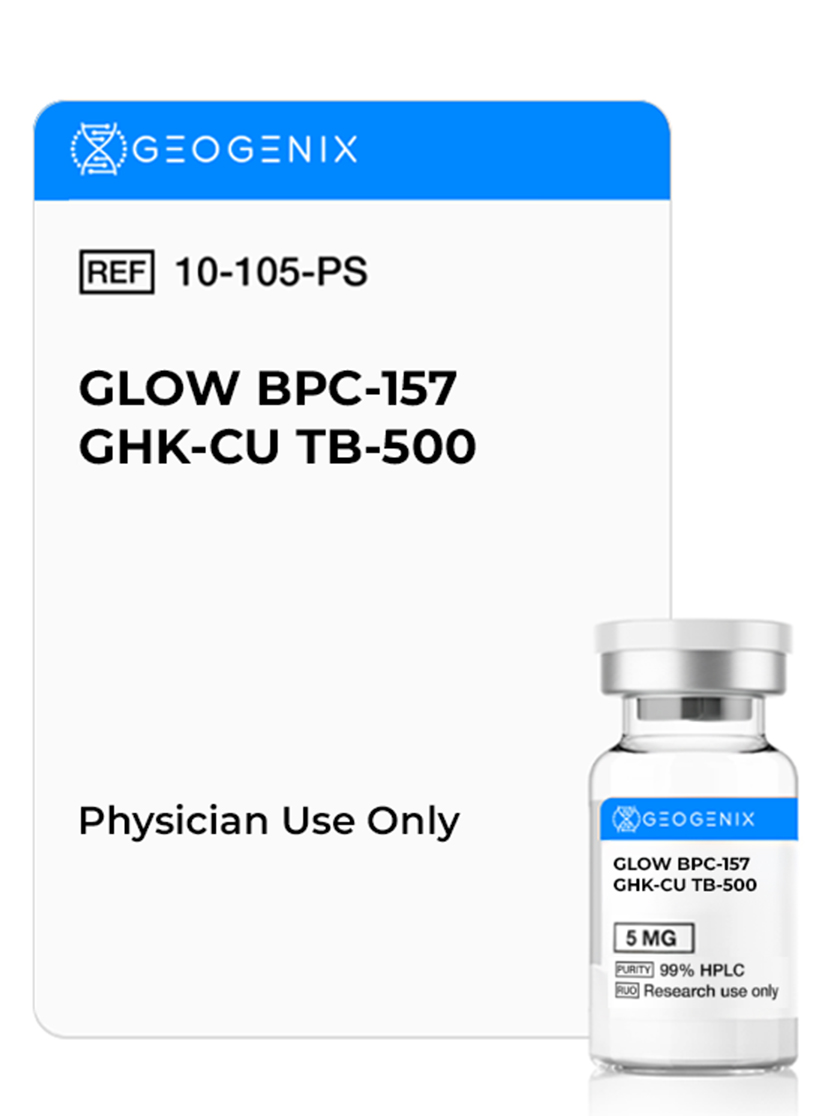
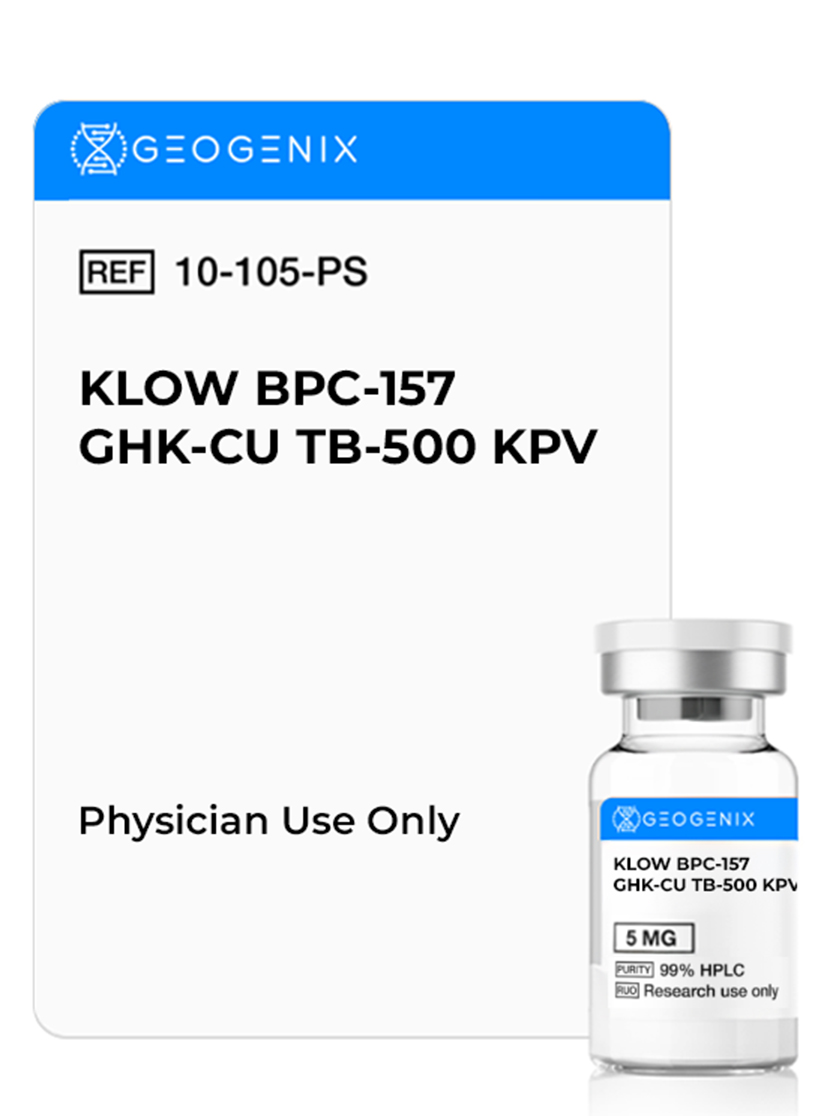
A stable gastric pentadecapeptide recognized for its ability to accelerate angiogenesis, fibroblast migration, and epithelial repair. BPC-157 acts through modulation of VEGFR2, FAK-paxillin, and nitric oxide pathways—promoting restoration of tendon, muscle, and gastrointestinal tissue integrity in preclinical studies.
TB-500 (Thymosin Beta-4)
A naturally occurring 43-amino acid peptide that supports cellular regeneration and repair. TB-500 enhances angiogenesis through VEGF upregulation, facilitates cell migration, and exhibits notable anti-inflammatory activity. It has been shown to aid in the recovery of myocardial, dermal, and connective tissue function.
GHK-Cu
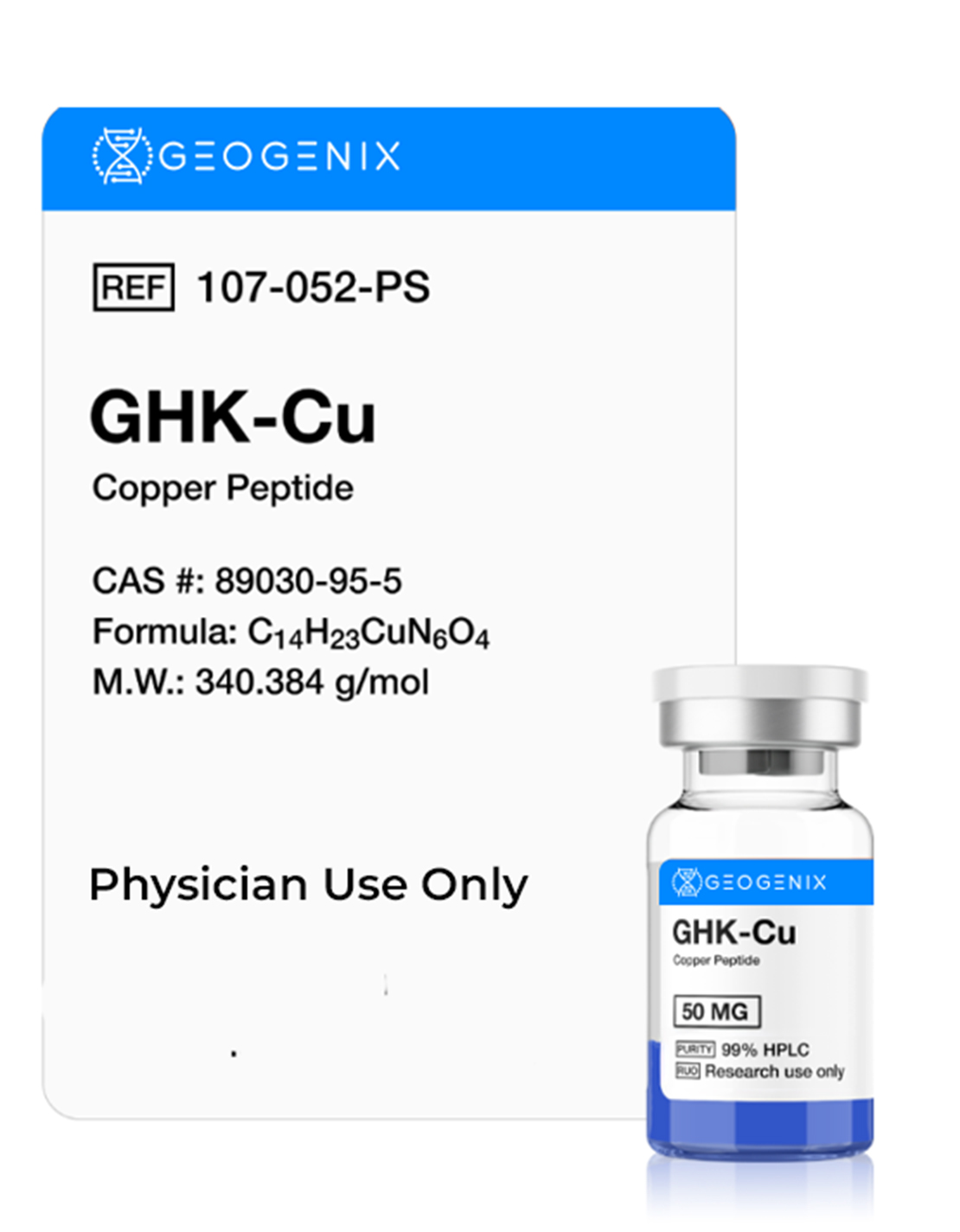
A copper-binding tripeptide (glycyl-L-histidyl-L-lysine) with strong regenerative and protective properties. GHK-Cu promotes collagen synthesis, wound healing, and hair growth, while regulating gene expression involved in tissue remodeling. It also exerts antioxidant and anti-inflammatory effects through TGF-β and metalloproteinase modulation.
Synergistic Regenerative Potential
When combined, BPC-157, TB-500, and GHK-Cu demonstrate complementary and potentially synergistic effects across multiple biological repair pathways:
-
Angiogenesis: BPC-157 and TB-500 stimulate VEGF-mediated vascular growth, while GHK-Cu supports endothelial proliferation and capillary formation.
-
Cellular Migration & Matrix Remodeling: TB-500 enhances actin polymerization and cellular mobility; BPC-157 and GHK-Cu further drive extracellular matrix synthesis and fibroblast activity.
-
Inflammatory Modulation: Each peptide reduces oxidative stress and cytokine-driven inflammation, creating an optimal environment for accelerated healing.
This multi-pathway synergy may enhance recovery outcomes across musculoskeletal, dermatological, and post-surgical applications—supporting Geogenix Health’s mission to advance peptide-based innovation for optimized human repair and performance.
Reviews
There are no reviews yet.